
Monitoring and assessing
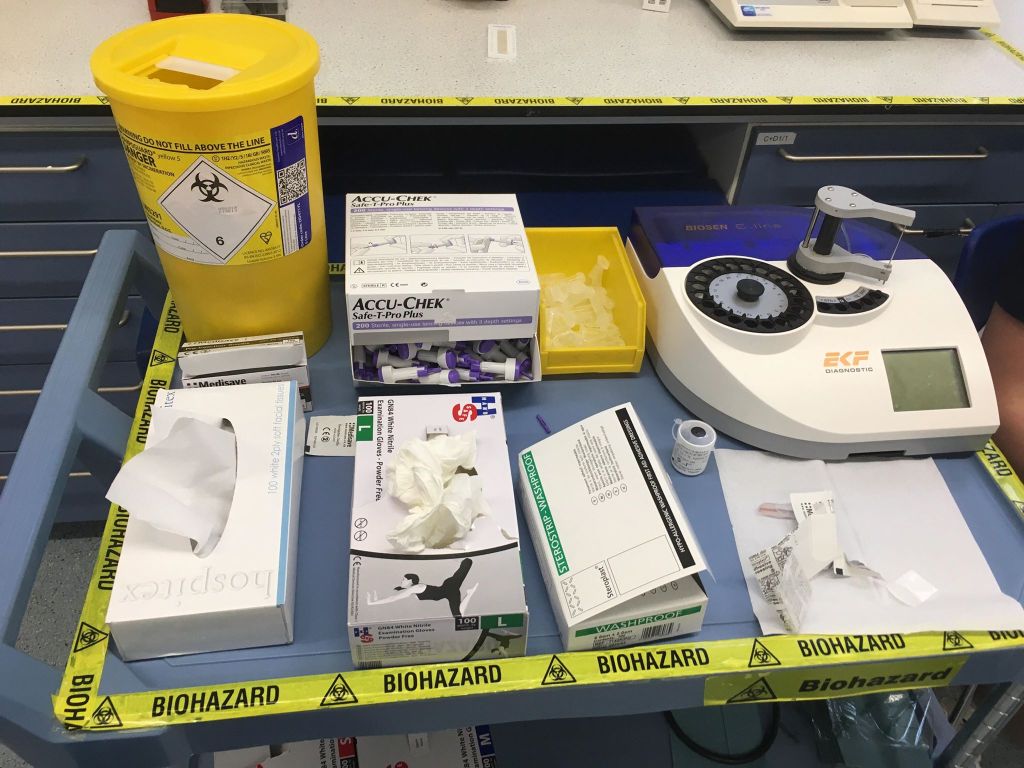
It is beneficial to monitor and assess your own performance or with a professional if possible. There are a range of tests to carry out such as; body composition, blood lactate profiling, vo2 max testing and many more. Each test has its own advantages and dis-advantages. The vo2 max test, tests the max volume of oxygen that can be consumed and the higher the vo2 max values, the higher oxidative capacity an athlete will have. For example, a typical ultra-marathon runner would have vo2 max values of up to 90 ml/kg/min (Billat et al., 2001). This test involves running to exhaustion with verbal encouragement and any small changes in improvements is seen as good. Furthermore, blood lactate profile is also very helpful to determine improvements as this can help determine fatigue and allows a bench mark to be set for an individual. It’s vital that heart rate and rating of perceived exertion are monitored during these demanding tests to prevent risk of injury. Regarding body composition, there are many ways of measuring from; using a balance analyser to using skin fold callipers which test body fat percentage. Typical marathon athletes have a low body fat percentage (below 11%) and a lower body fat percentage has been associated with a higher running economy (Johnston et al., 1997). A good intervention therefore would be recording results from each test and detecting changes through or over time.
References:
Billat, V. L., Demarle, A., Slawinski, J., Paiva, M., & Koralsztein, J. P. (2001). Physical and training characteristics of top-class marathon runners. Medicine and science in sports and exercise, 33(12), 2089-2097.
Johnston, R. E., Quinn, T. J., Kertzer, R., & Vroman, N. B. (1997). Strength training in female distance runners: impact on running economy. Journal of Strength and Conditioning Research, 11(4), 224-229.

