Caffeine
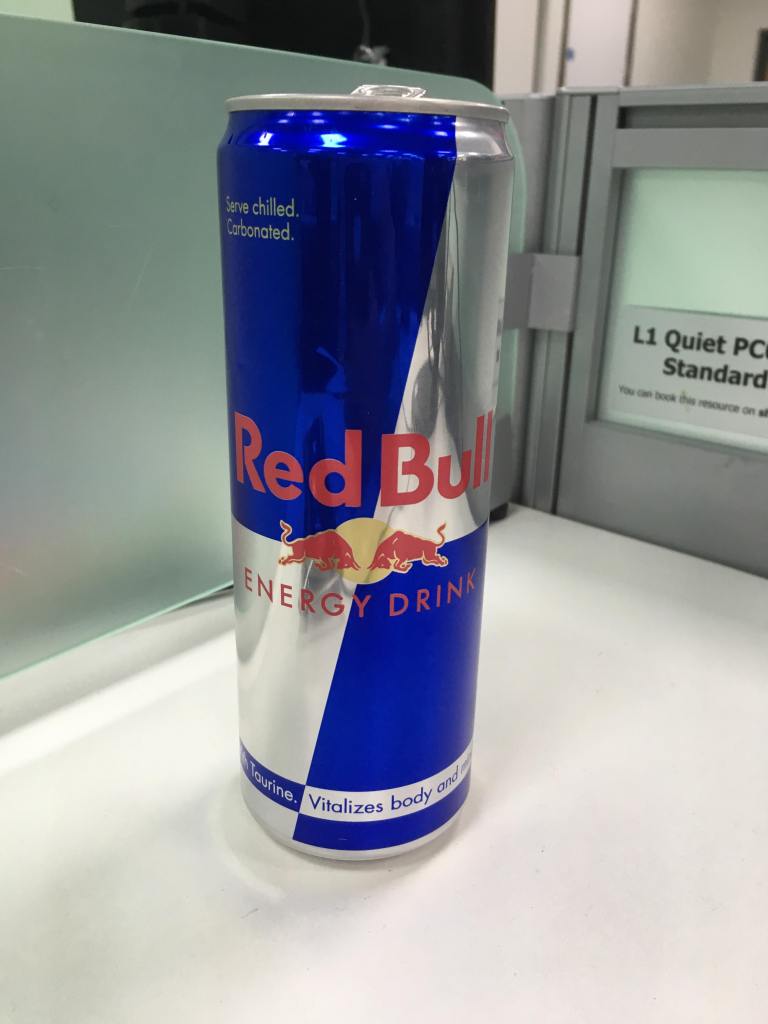
Caffeine is one of the most used and established supplements for endurance. Majority of research has identified its benefits for endurance performance. A common finding across literature is that it improves individual performance by reducing fatigue (Mangus, 2005). It has been suggested that 3 mg kg is the most effective dose of caffeine for an endurance athlete (Armstrong, 2002) with on hour rest before exercise. The application of caffeine has also been studied and it has been found that caffeinated gums and gels are also very effective. The physiological mechanism for non-ingested caffeine upregulates the central nervous system which reduces fatigue perception (Magkos & Kavouras, 2005). Therefore, it could be used during training as well as during competition to help reduce fatigue perception allowing a competitor to carry on and complete the race more quickly.
Protein
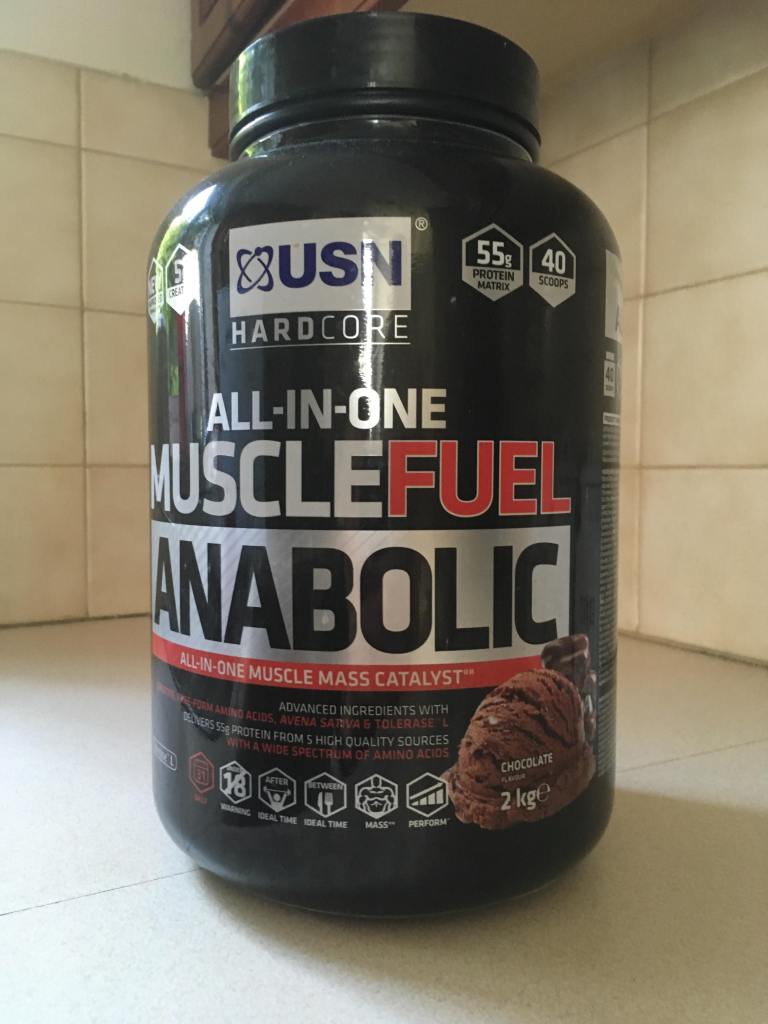
Protein is used for growth and repair. An elite athlete may have a protein intake of 1.6 g/kg/d whereas the population should consume 0.8g/kg/d (Tarnopolsky, 2004). As training and competing for an ultra-marathon is demanding, recovery is vital to achieve training adaptations and improve performance. Increasing protein availability will therefore allow remodelling of the skeletal muscle (Moore et al., 2014). It has been recommended that combining carbohydrates with protein is much more effective than alone as it increases whole body protein. Furthermore, it has been demonstrated that immediately after exercising (within three hours) is appropriate to allow muscles to resynthesise (Burd et al., 2011).
Creatine
Creatine is a crucial substance for muscle contractions. It benefits high intensity exercise due to increasing creatine phosphate stores, but it is also beneficial for endurance athletes as during training it helps recovery time between exercises (Engelhardt et al., 1998). A study by Chwalbiñska-Moneta, (2013) examined appropriate dosages of creatine when competing in endurance events and found that orally supplementing 20g creatine for five days improved endurance performance. Therefore, including 20g of creatine as a supplement will benefit an athlete during training which in turn will benefit the athlete during completion.
Beta Alanine
Beta Alanine is an amino acid that increases carnosine and reduces onset muscle fatigue. Increasing carnosine is vital to regulate PH in the muscle (Giannini Artioli, Gualano, Smith, Stout & Herbert Lancha, 2009). This means it would be very beneficial for an endurance athlete. Research has shown that 4-6g per day is most effective (Harris et al., 2006). As a result of Beta alanine supplementation, it allows a more efficient muscle buffer capacity due to the increase in carnosine.
Omega 3
Omega 3 fatty acids are polyunsaturated fats that release endogenous antioxidant enzymes. This means it helps decrease muscle pain and inflammation (Gligor, Ș, 2016). It has been shown that 3.2g EHA and 2.2g DHA per day is suitable. A common way of supplementing omega 3 is in a tablet form which typically means (depending on product) three tablets per day during meal times (“Essential Fatty Acids Complete 120 sGels Source Naturals Omega 3,6,9”, 2019).

Vitamins
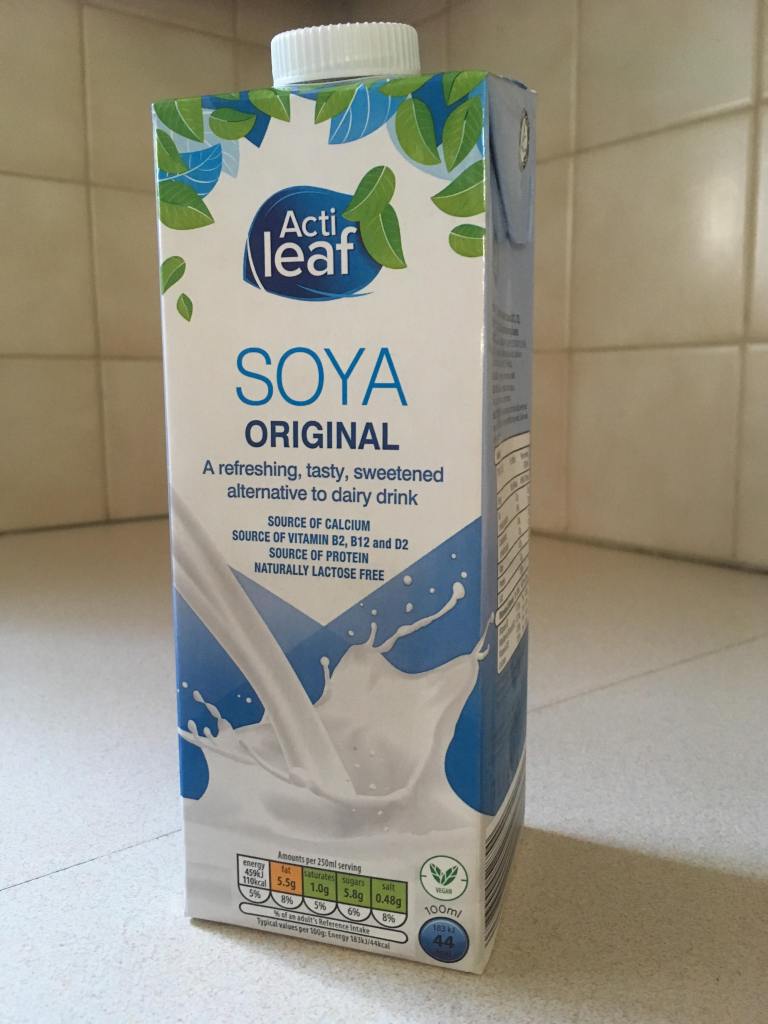
Vitamins are essential for proper functioning. B vitamins (Biotin, pantothenic acid, pyridoxine and riboflavin are all involved in the energy production during activity. Moreover, Folate and vitamin b12 allows production of red blood cells (carrying oxygen) as well as protein synthesis (Rodriguez et al., 2010). Vitamin C is also vital for an endurance athlete as this has antioxidant properties which is well known to repair inflammation that is caused by training. Another vitamin that is useful for endurance athletes to prevent feeling week and maintain energy levels is vitamin D which can be derived from milk and eggs (Halver, 2003).

References:
Mangus, B. and Trowbridge, C. (2005). Will Caffeine Work as an Ergogenic Aid? The Latest Research. Athletic Therapy Today, 10(3), pp.57-62.
Armstrong, L. E. (2002). Caffeine, body fluid-electrolyte balance, and exercise performance. International journal of sport nutrition and exercise metabolism, 12(2), 189-206.
Magkos, F., & Kavouras, S. (2005). Caffeine Use in Sports, Pharmacokinetics in Man, and Cellular Mechanisms of Action. Critical Reviews In Food Science And Nutrition, 45(7-8), 535-562.
Tarnopolsky, M. (2004). Protein requirements for endurance athletes. European Journal of Sport Science, 4(1), 1-15.
Moore, D. R., Camera, D. M., Areta, J. L., & Hawley, J. A. (2014). Beyond muscle hypertrophy: why dietary protein is important for endurance athletes. Applied Physiology, Nutrition, and Metabolism, 39(9), 987-997.
Burd, N., West, D., Moore, D., Atherton, P., Staples, A., & Prior, T. et al. (2011). Enhanced Amino Acid Sensitivity of Myofibrillar Protein Synthesis Persists for up to 24 h after Resistance Exercise in Young Men. The Journal Of Nutrition, 141(4), 568-573.
Harris, R., Tallon, M., Dunnett, M., Boobis, L., Coakley, J., Kim, H., Fallowfield, J., Hill, C., Sale, C. and Wise, J. (2006). The absorption of orally supplied β-alanine and its effect on muscle carnosine synthesis in human vastus lateralis. Amino Acids, 30(3), pp.279-289.
Giannini Artioli, G., Gualano, B., Smith, A., Stout, J., & Herbert Lancha, A. (2009). The Role of β-alanine Supplementation on Muscle Carnosine and Exercise Performance. Medicine & Science In Sports & Exercise, 1.
Engelhardt, M., Neumann, G., Berbalk, A., & Reuter, I. (1998). Creatine supplementation in endurance sports. Medicine and science in sports and exercise, 30(7), 1123-1129.
Chwalbiñska-Moneta, J. (2003). Effect of creatine supplementation on aerobic performance and anaerobic capacity in elite rowers in the course of endurance training. International journal of sport nutrition and exercise metabolism, 13(2), 173-183.
Gligor, Ș., & Gligor, R. (2016). The potential role of omega-3 fatty acids supplements in increasing athletic performance. Timisoara Physical Education And Rehabilitation Journal, 9(16).
Essential Fatty Acids Complete 120 sGels Source Naturals Omega 3,6,9. (2019). Retrieved from https://nutricentral.co.uk/essential-fatty-acids-complete-120-sgels-source-naturals-omega-3-6-9.html?msclkid=d70efa5efe221438691ca6872af6ad37
Rodriguez, N., Dimarco, N., & Langley, S. (2010). Nutrition and Athletic Performance. Medicine & Science In Sports & Exercise, 41(3), 709-731.
Halver, J. E. (2003). The vitamins. In Fish nutrition (pp. 61-141). Academic Press.

